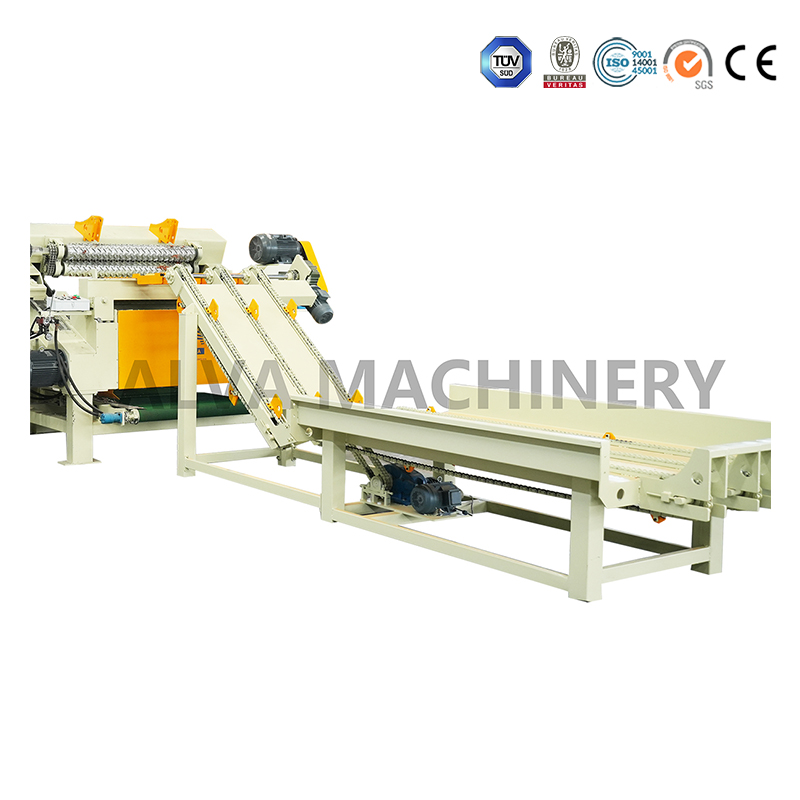
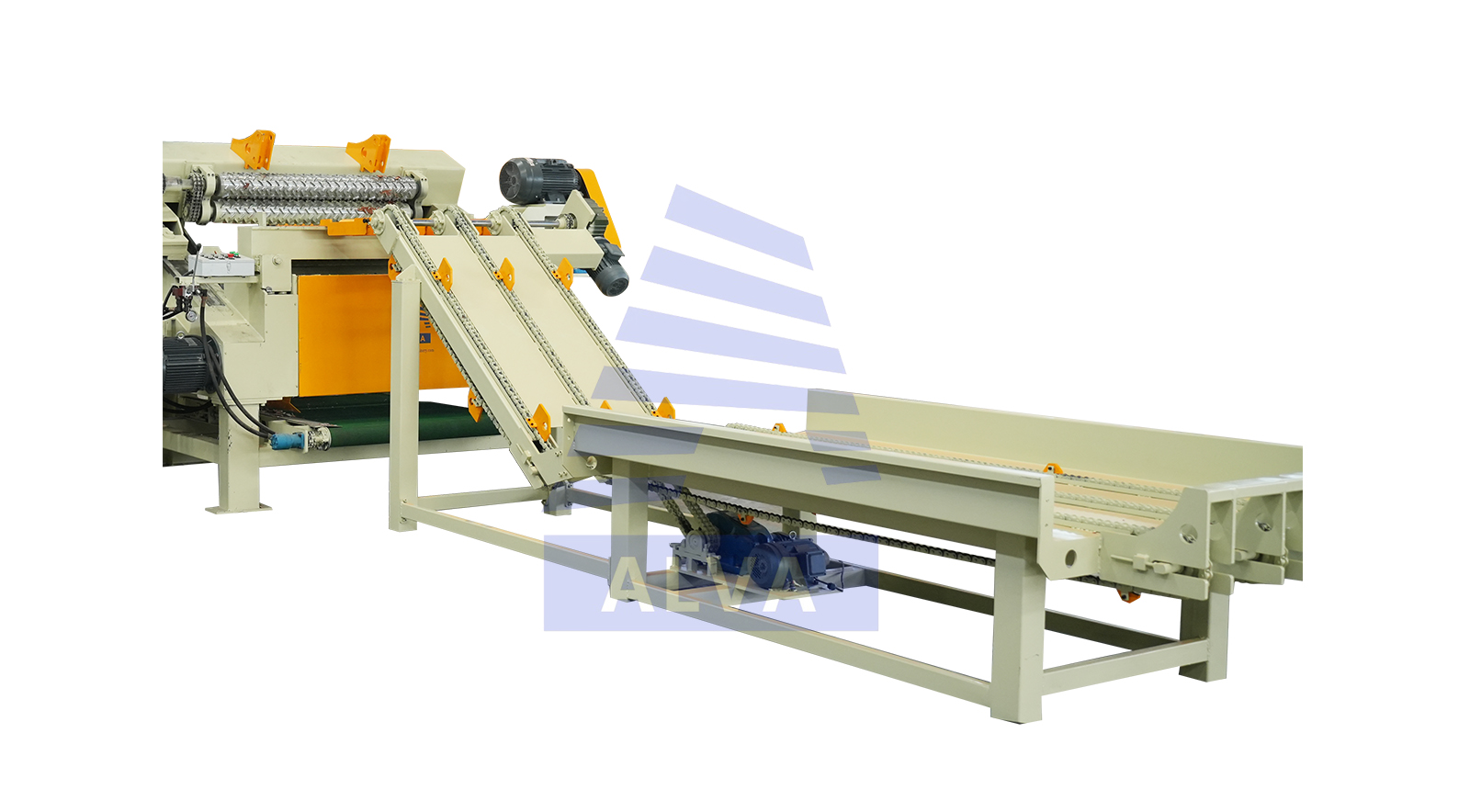
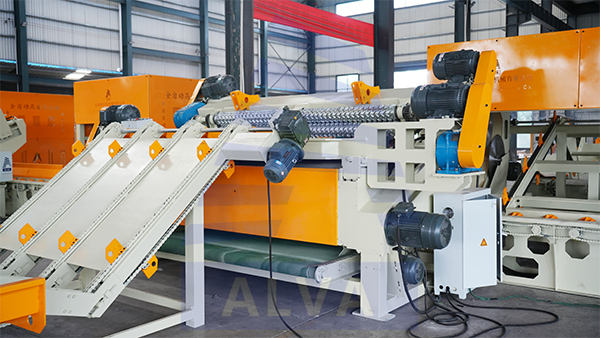
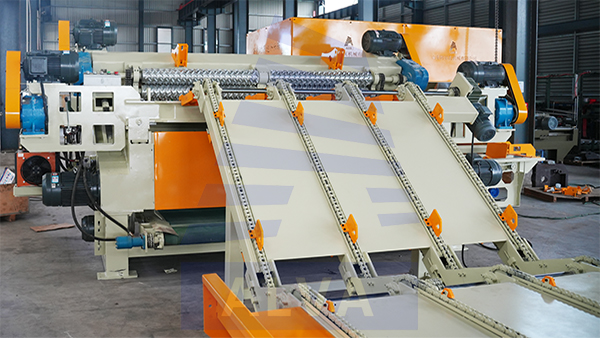
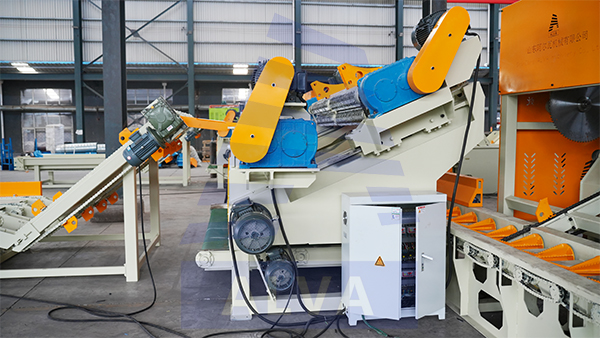
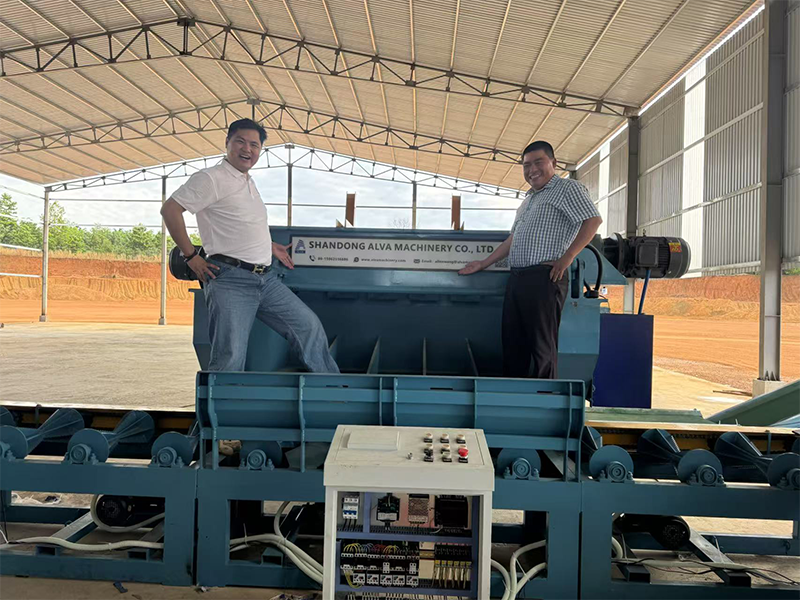
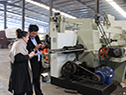
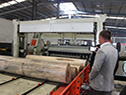
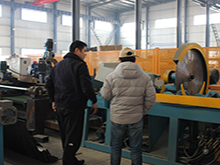
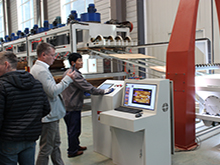
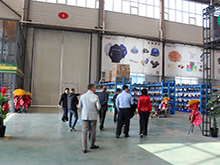
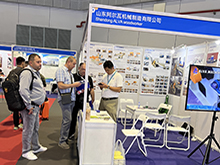
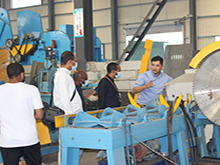
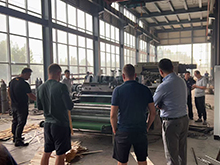
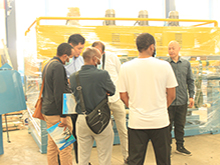
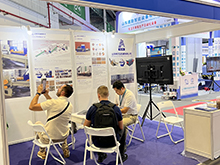
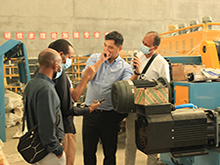
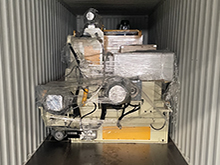
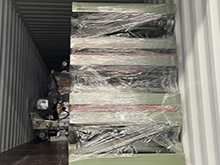
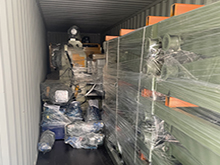
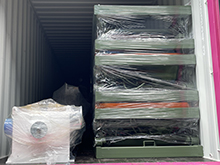
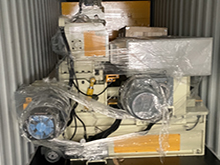
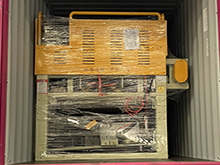
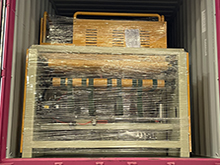
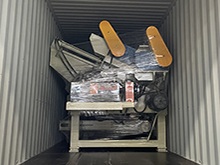
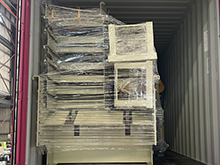
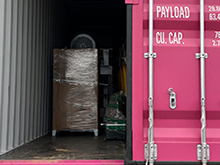
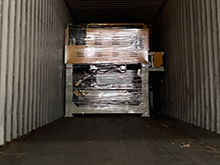
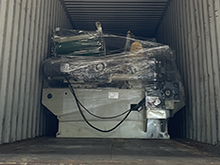
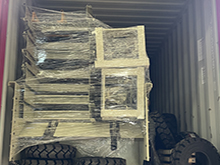
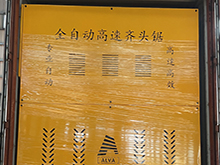
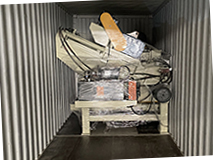
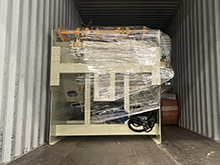
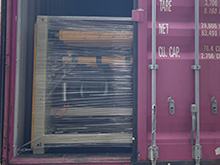
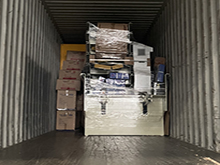
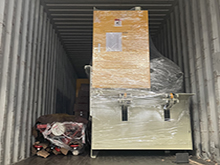
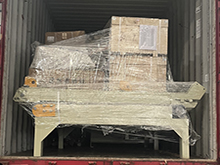
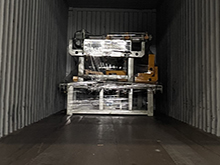
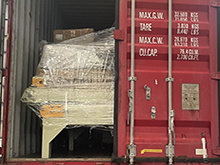
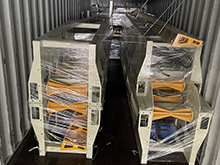
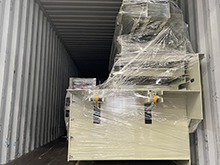
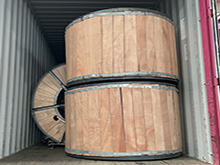
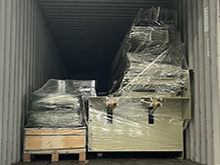
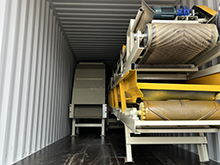
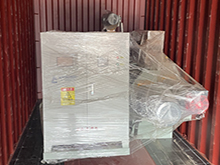
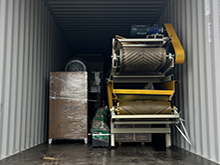
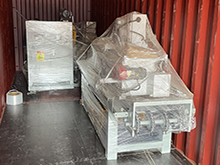
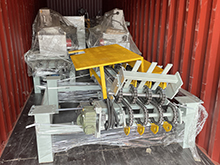
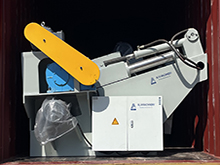
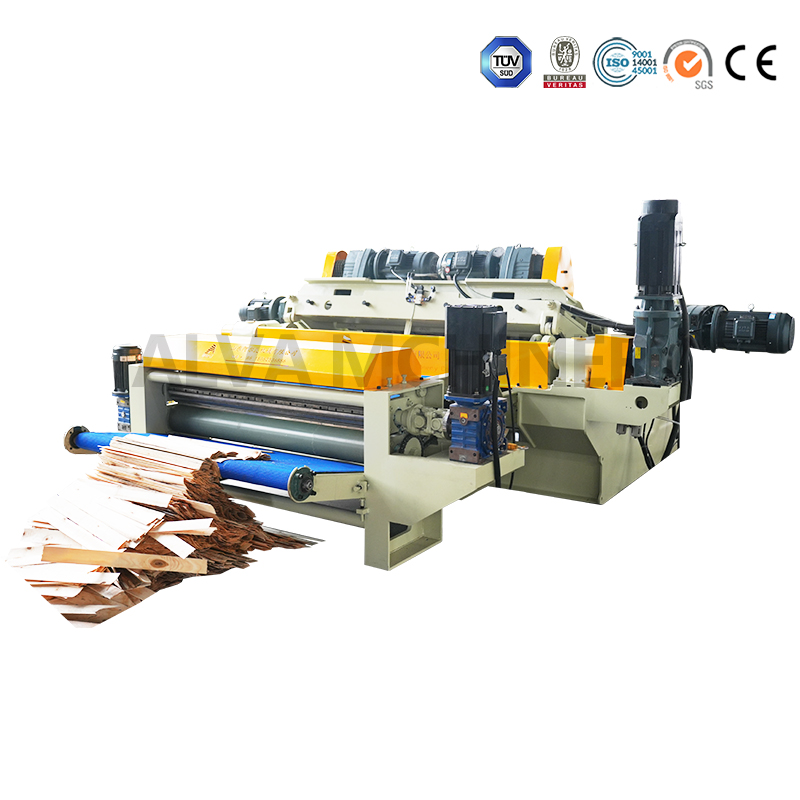
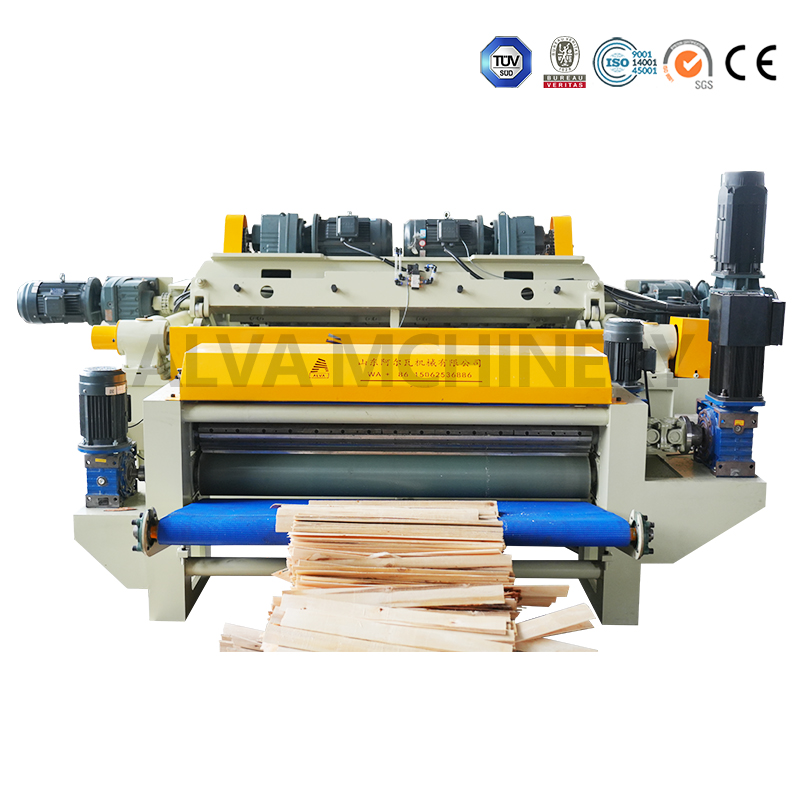
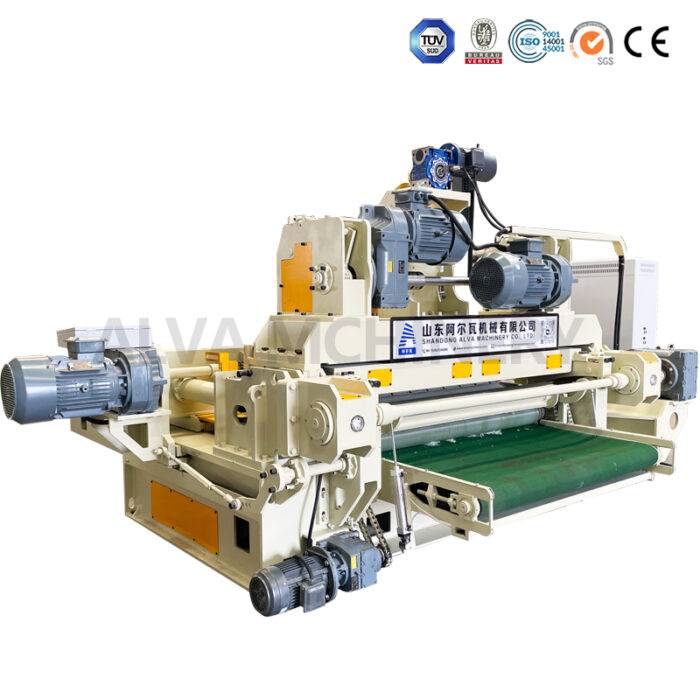
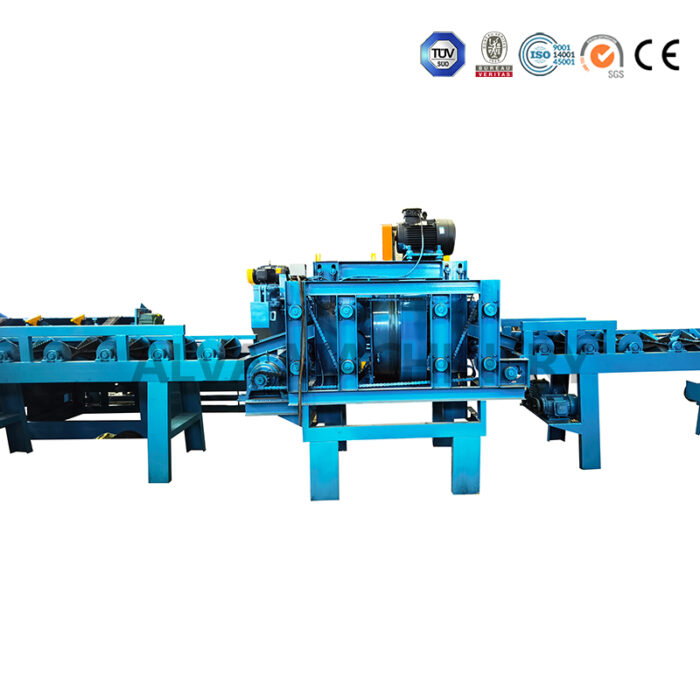
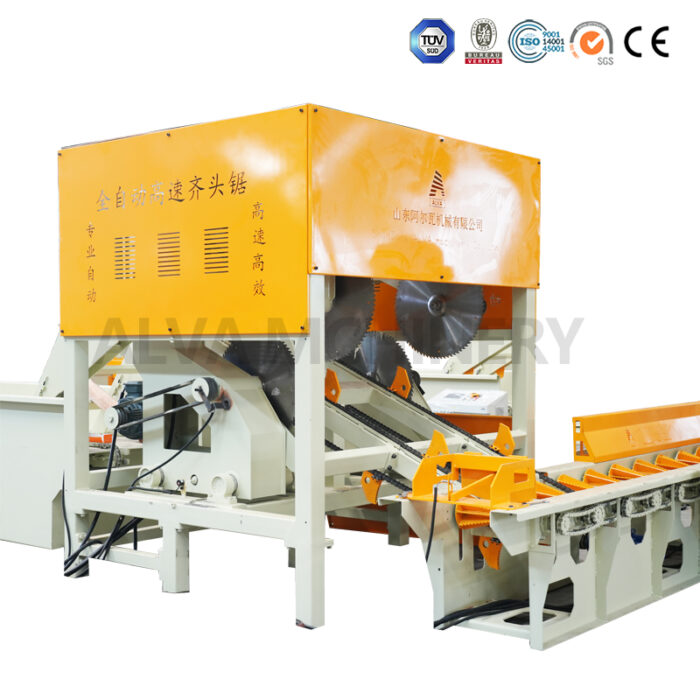
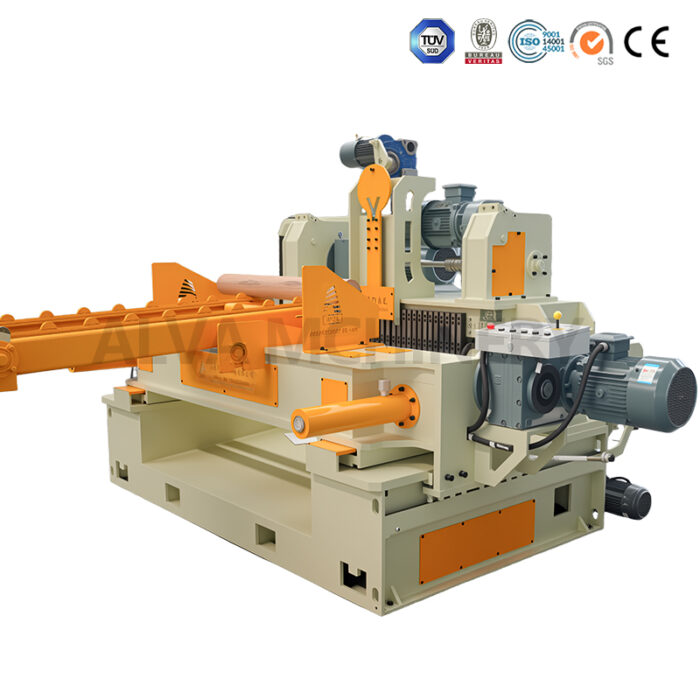
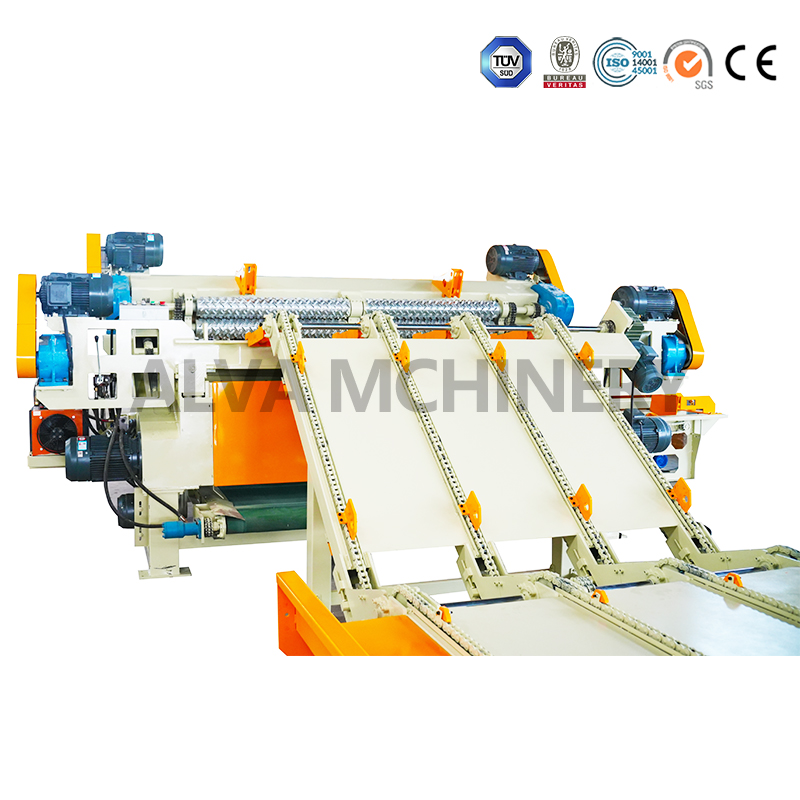
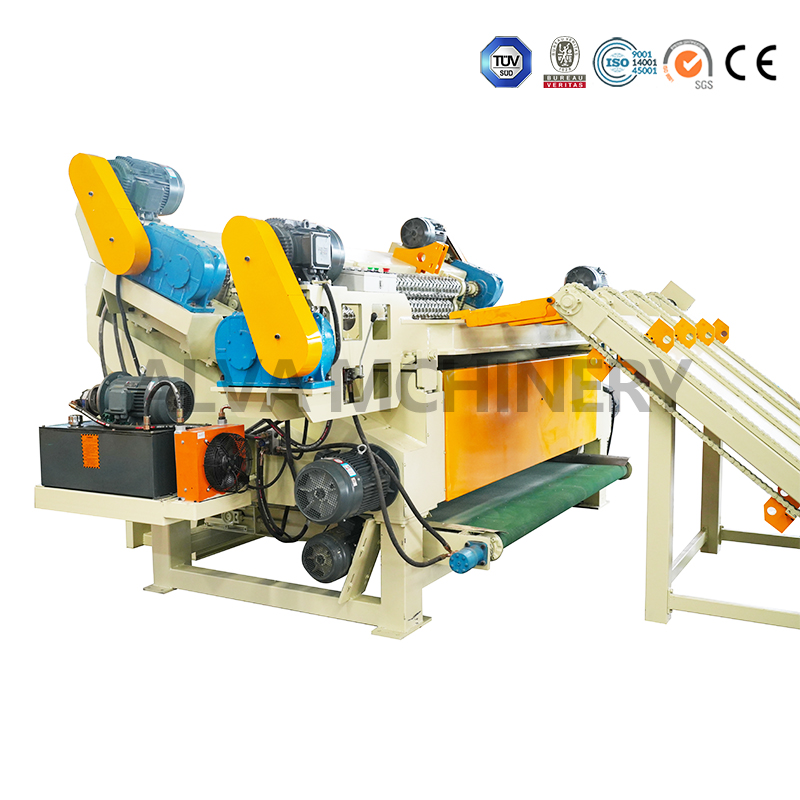
The wood feeder is mainly used to transport wood raw materials to the peeling machine or rounding machine for subsequent processing. The Alva wood feeder can adapt to different types, shapes and sizes of wood, and can achieve effective transportation, which improves the versatility and flexibility of the equipment and improves work efficiency.
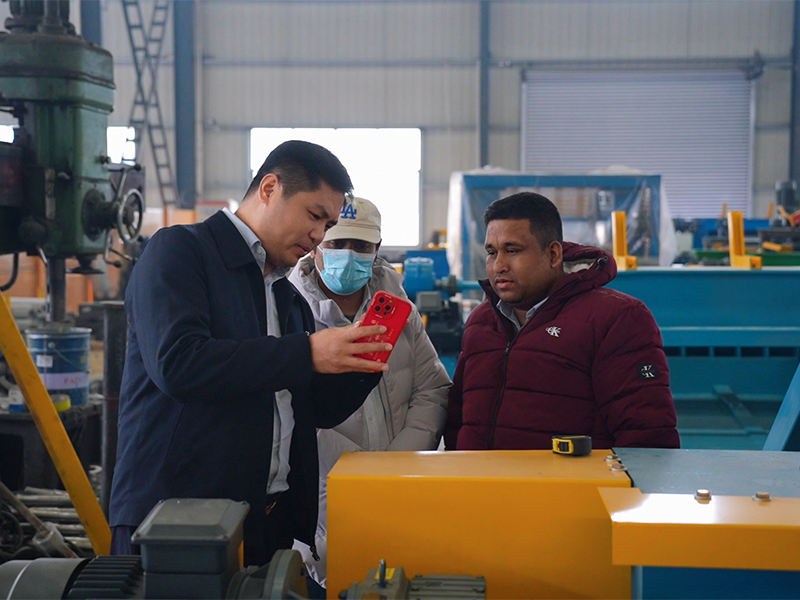
Shandong Alva Machinery Co., Ltd. has focused on the woodworking machinery field for 30 years. Adhering to the corporate tenet of “Creating value for customers and benefits for partners”, the company takes “Product quality is produced, not inspected” as its core business philosophy. Every product undergoes research and development, practical application and strict quality inspection.
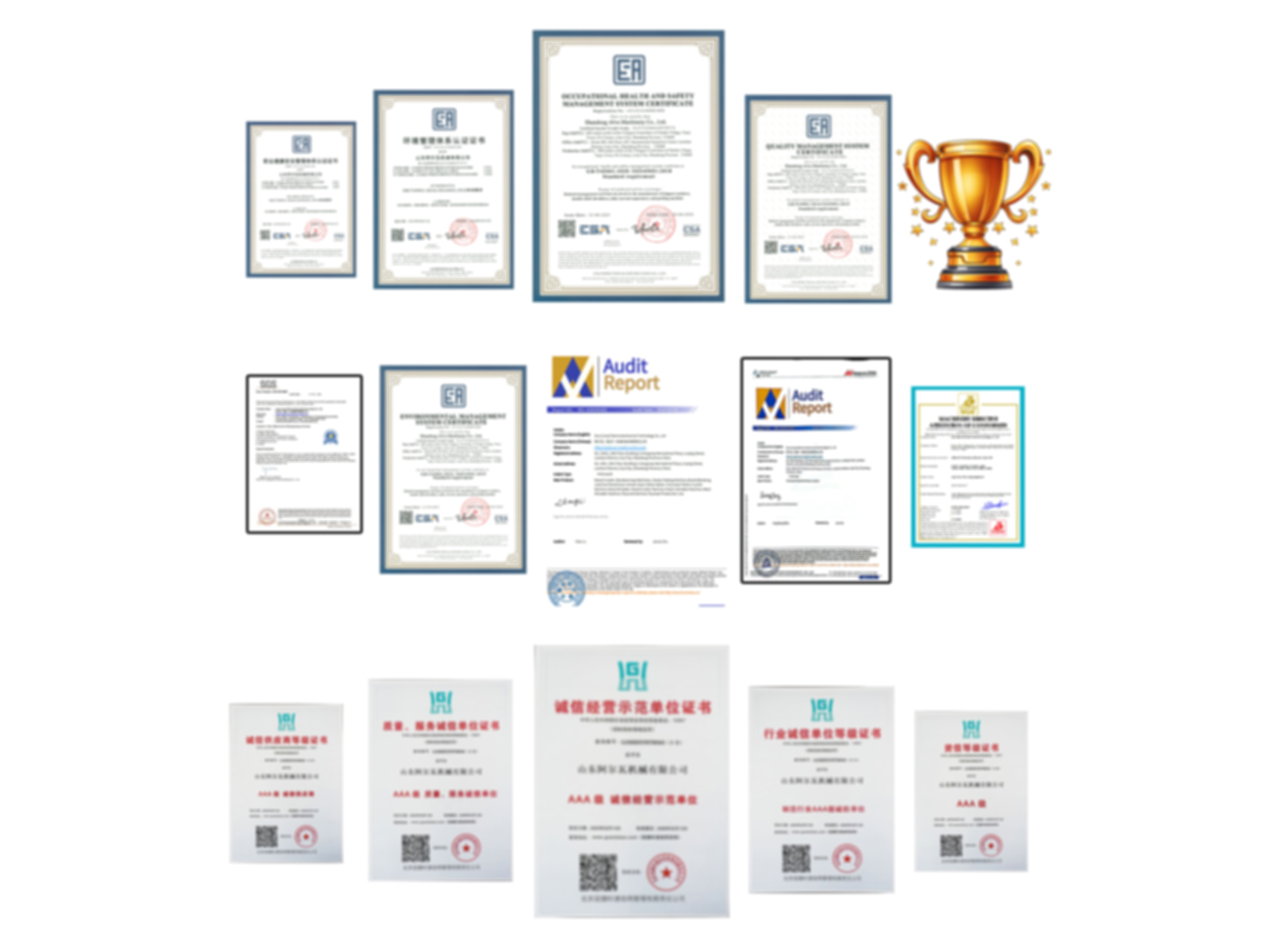
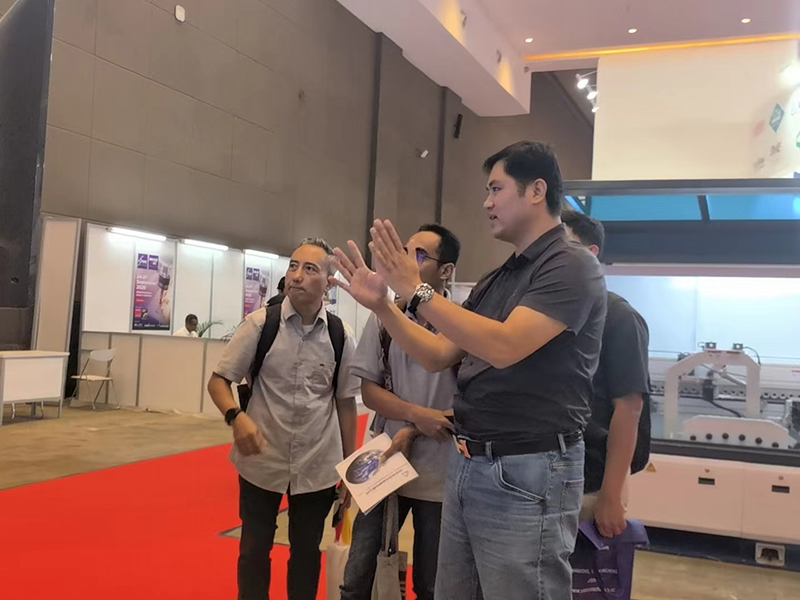
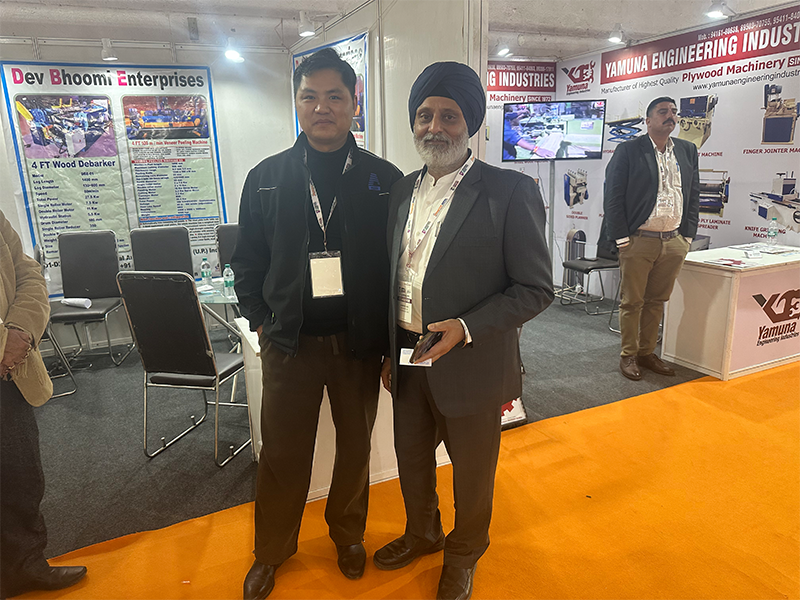
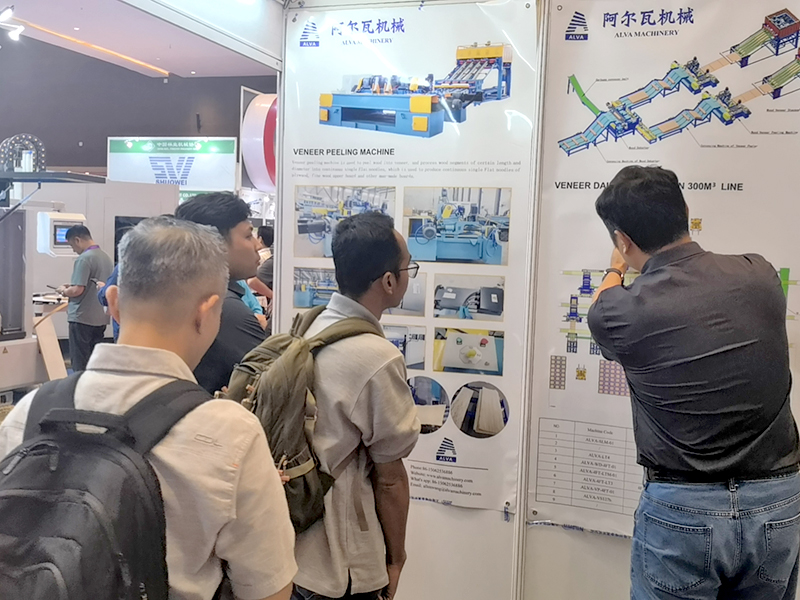
With reliable quality, its products have passed multiple international authoritative certifications including CE and SGS, and are sold well in both domestic and foreign markets. They not only occupy a significant position in the domestic woodworking machinery sector, but also successfully completed the installation and commissioning of veneer peeling machine production lines in Vietnam and other regions, helping local enterprises enhance their production capacity and market competitiveness.
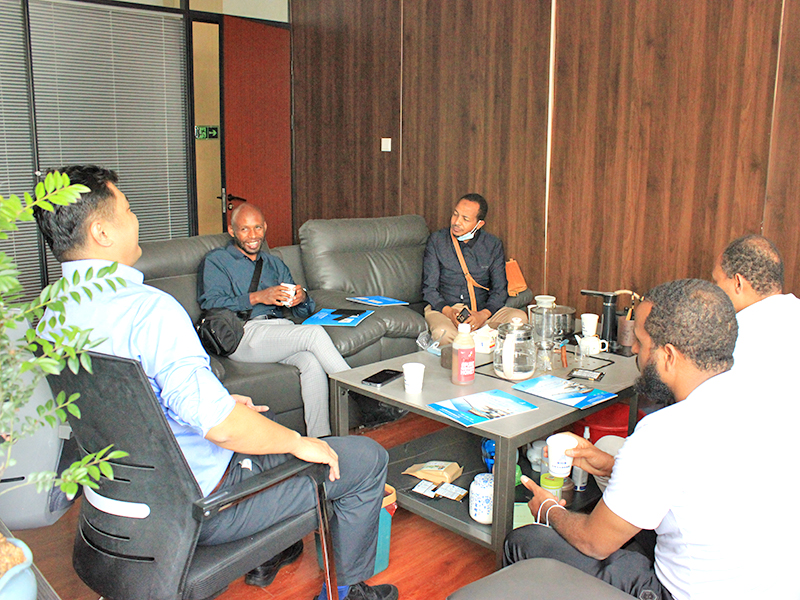
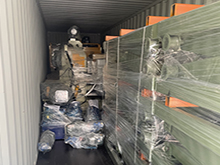
Meanwhile, the company has established a comprehensive service system, providing services such as overseas equipment installation and commissioning, operator training, and 24-hour online consultation. Both the whole machine and key components are covered by warranty, with the after-sales team responding within 48 hours. In addition, the company offers product customization and personalized packaging services to fully meet the needs of customers at home and abroad.
/ Product display /
Wood feeding machines are specially designed for the automatic conveying and precise feeding of various wood raw materials (such as logs, wood squares, veneers, etc.). By integrating multiple systems including mechanical transmission, intelligent control, and safety protection, they realize continuous and unmanned material transfer from the raw material stacking area to processing equipment (veneer lathes, sanders, plate cutting machines, log lathes, etc.).
Their core value lies in breaking the efficiency bottlenecks and safety hazards of manual operations, establishing a foundation for automated connection of the entire “raw material-processing-finished product” link, and adapting to the flexible needs of production lines of different scales. Wood feeding machines take “stable conveying, precise positioning, and flexible adaptation” as their functional core. They can realize multi-dimensional operation adjustments according to wood specifications, processing technologies, and equipment models. The main functional features include:
Automatic Continuous Feeding: Equipped with high-precision conveying guide rails and power systems, it can realize 24-hour uninterrupted material conveying without frequent manual intervention. It effectively avoids problems such as fatigue shutdown and efficiency fluctuation in manual operations, ensuring the stable and controllable feeding rhythm of the production line.
Precise Positioning and Adaptation: Through intelligent sensing and numerical control systems, it can accurately identify the size and specification of wood, automatically adjust the feeding angle, conveying speed and feeding position, perfectly matching the feeding requirements of subsequent processing equipment, and reducing processing losses and rework caused by material positioning deviations.
Flexible Adaptability: It supports the adaptation of multiple types and specifications of wood raw materials. Through simple operations such as replacing clamping devices and adjusting conveying spacing, it can meet the feeding needs of different materials such as logs, wood squares and veneers, and adapt to multiple processing scenarios such as veneer cutting, planing and cutting.
Intelligent Control and Monitoring: Equipped with a touch operation panel and a visual monitoring system, operators can intuitively set feeding parameters and check the operating status of the equipment. It supports functions such as automatic fault alarm and parameter memory storage, which lowers the operation threshold and realizes convenient management.
/ Product advantages /
I. Optimize Human Resource Allocation and Reduce Comprehensive Costs
The traditional wood feeding process requires a large number of manual labor to complete repetitive tasks such as material handling and positioning calibration, resulting in high labor costs. Wood feeding machines, through automated and precise operations, can significantly reduce the scale of manual allocation, fundamentally lowering the comprehensive labor expenses of enterprises in terms of employee salaries, social security, training, and welfare. At the same time, the equipment can achieve 24-hour continuous and stable operation, effectively avoiding the efficiency decline caused by fatigue and emotional fluctuations in manual operations, and ensuring stable production capacity in the feeding link. More importantly, the equipment replaces manual labor in undertaking heavy physical work such as wood handling, significantly reducing the occupational health risks of workers, such as muscle strain and joint damage, caused by long-term high-intensity work. It effectively improves the humanized level of the working environment, thereby enhancing employees’ sense of belonging and satisfaction with their positions.
II. Strengthen Safety Protection and Consolidate the Production Defense Line
Wood materials generally have the characteristics of large volume, uneven weight, and rough surface. During the manual feeding process, safety accidents such as heavy object crushing and physical collision are prone to occur due to material sliding, unbalanced handling, and coordination errors. Wood feeding machines replace manual direct contact with materials through mechanical transmission and positioning systems, fundamentally avoiding such safety hazards in the operation process and creating a safe and reliable working space for front-line operators. On this basis, all equipment is equipped with a complete safety protection system. In addition to basic overload protection and limit switches, most models are also integrated with functions such as emergency stop buttons, operation status warning lights, and human body induction protection. When the equipment has abnormal conditions such as overloading, position deviation, or personnel entering dangerous areas by mistake, it can quickly trigger shutdown or alarm mechanisms, forming a comprehensive safety guarantee of “active protection + passive interception”, significantly reducing the probability of safety accidents, and helping enterprises solidly implement the main responsibility for safe production.
III. Connect Production Links and Support Integrated Operation
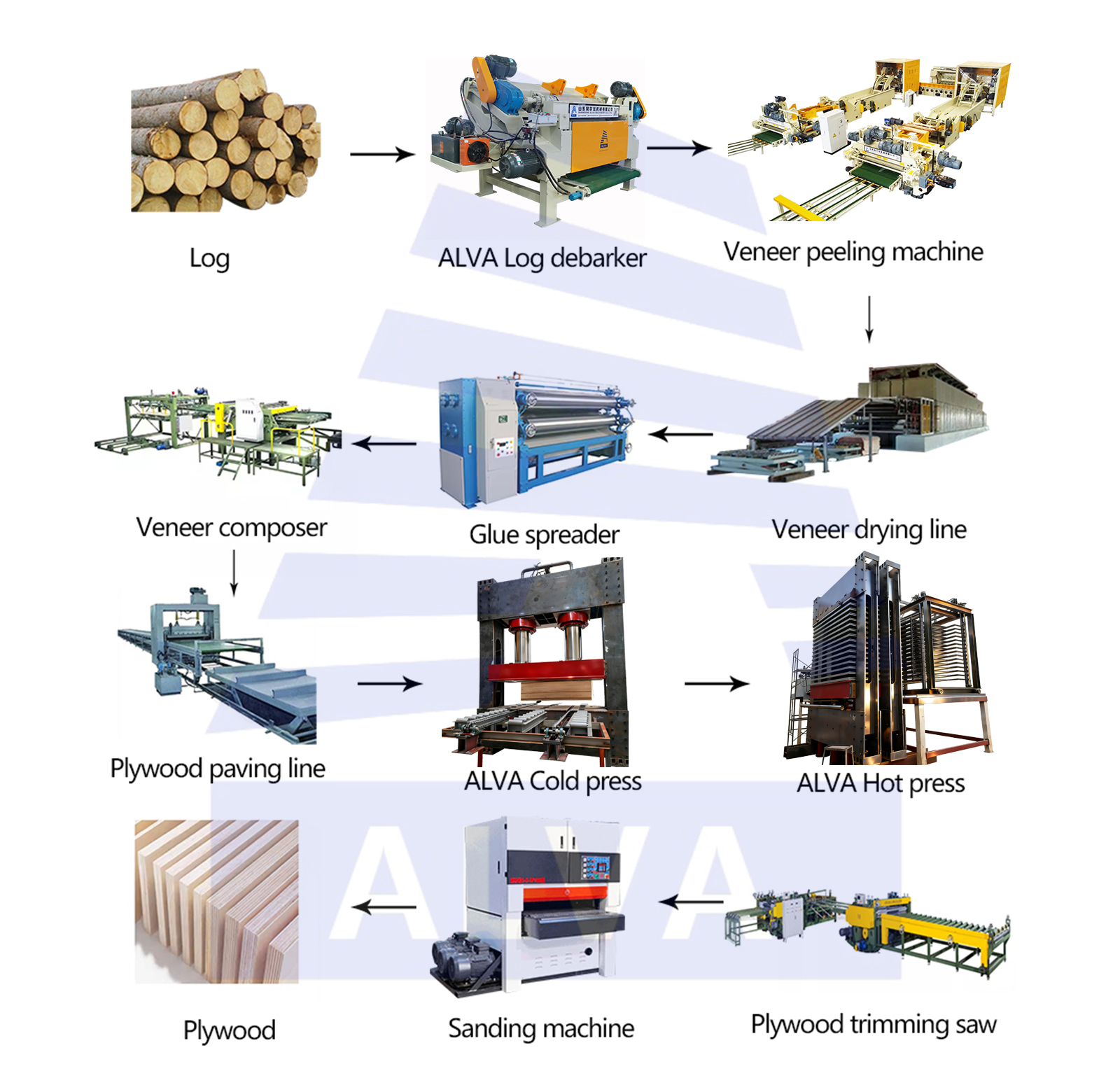
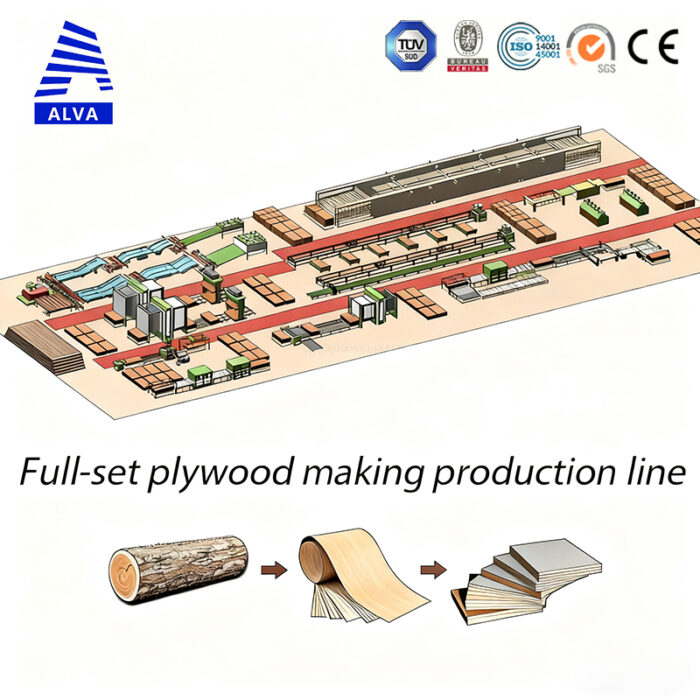
Modern wood processing has increasingly high requirements for the continuity and coordination of the production process. Wood feeding machines, with their excellent compatibility and adaptability, have become the core link connecting various processing procedures. According to the process requirements of different production lines, the equipment can realize seamless connection and data linkage with various wood processing equipment such as veneer lathes, log lathes, sanding machines, and stacking machines, completely breaking the efficiency barrier of relying on manual transfer between various processes in traditional production, and building a complete and efficient automated production link. Through the overall scheduling of the central control system, the wood feeding machine can accurately match the feeding rhythm and specification requirements of subsequent processing equipment, realizing the full-process continuous operation of wood from raw material transportation, processing, to finished product stacking, and significantly reducing manual intervention, material retention, and transfer loss in intermediate links. This integrated operation mode not only significantly improves the operation efficiency of the overall production process, but also effectively ensures the consistency and stability of product processing quality, providing solid equipment support for enterprises to realize large-scale production, standardized management, and market competition.