 01
01
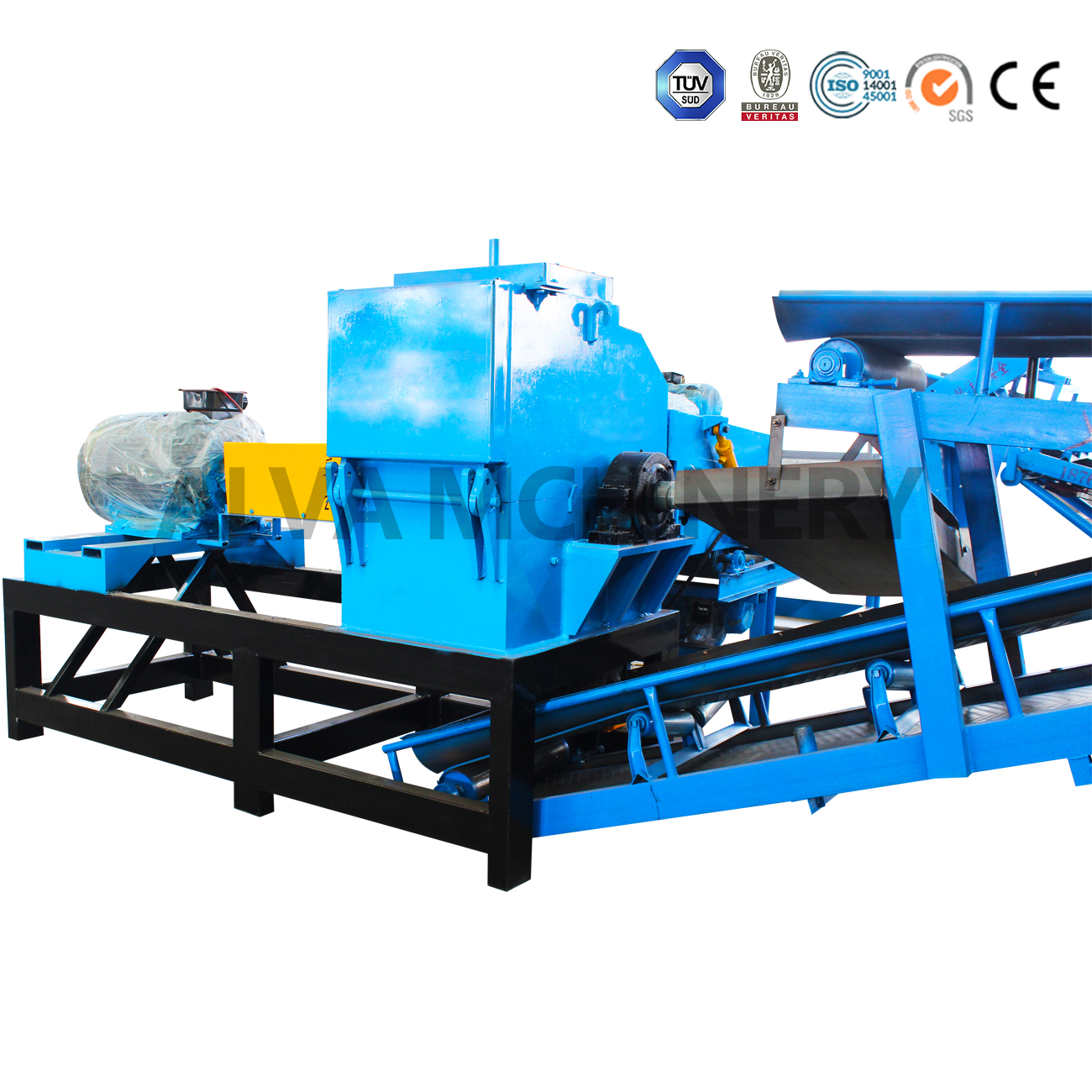
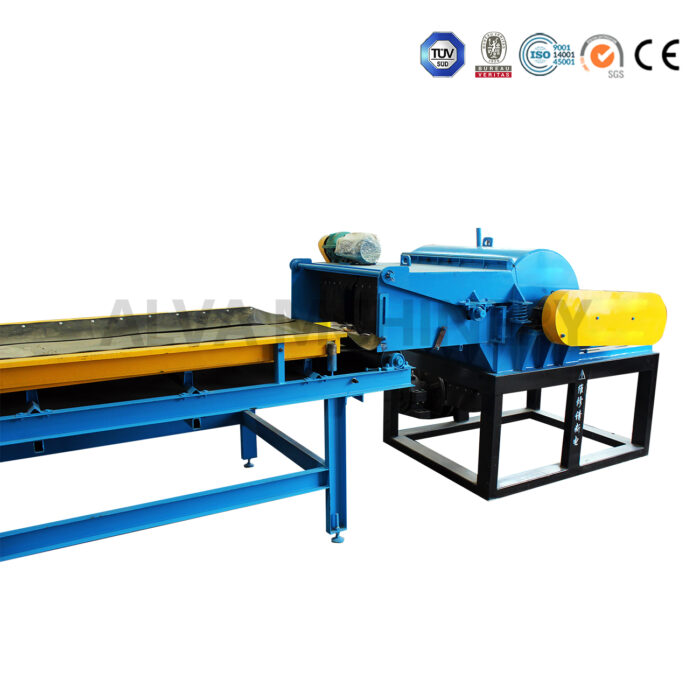
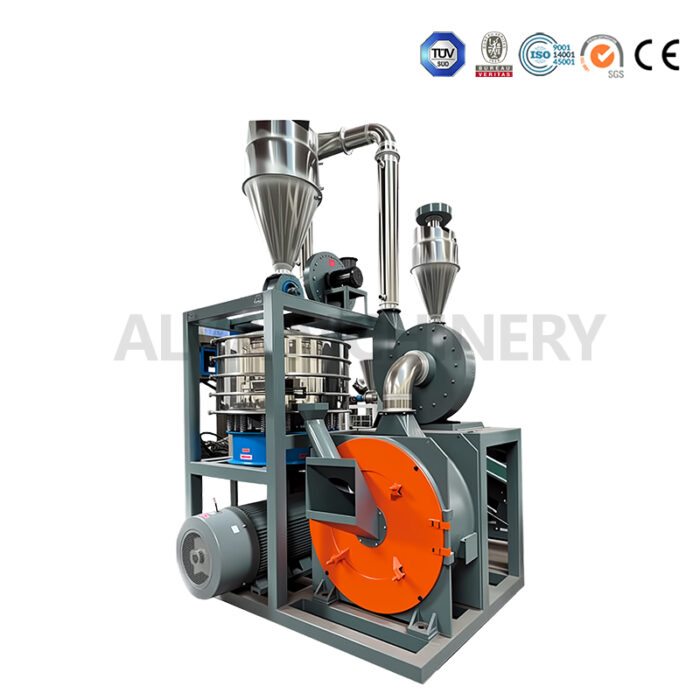
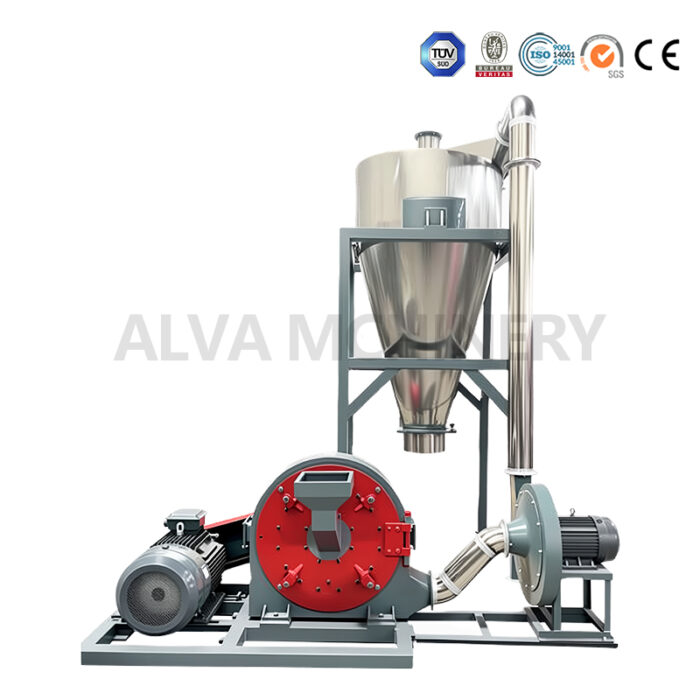
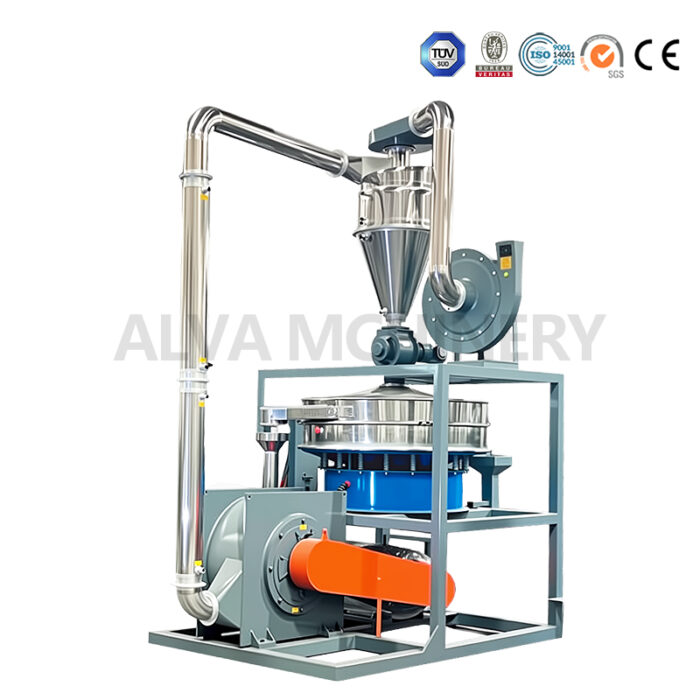
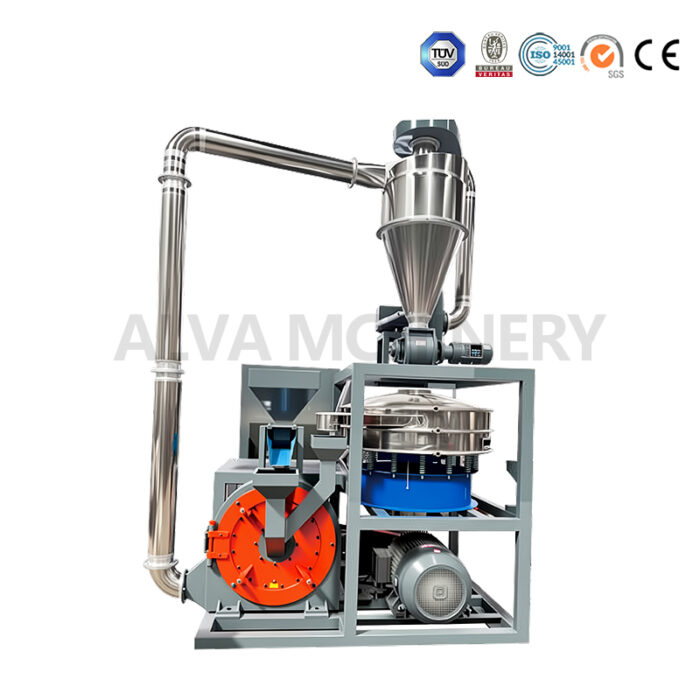
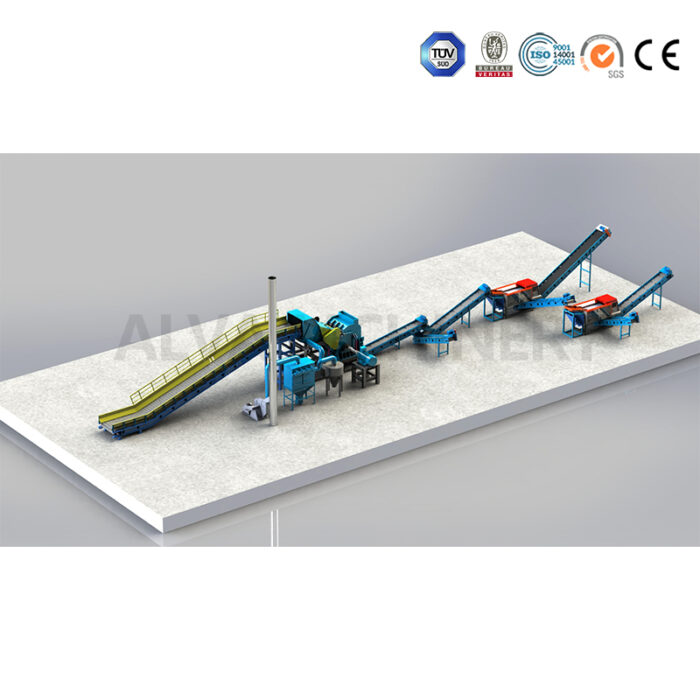
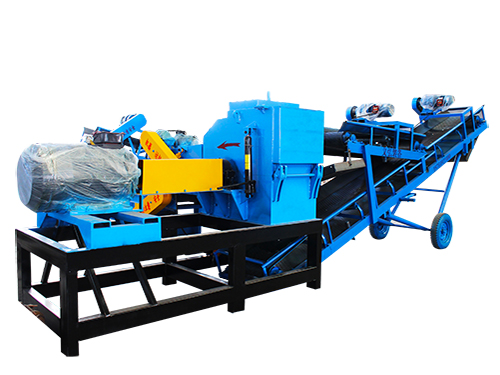
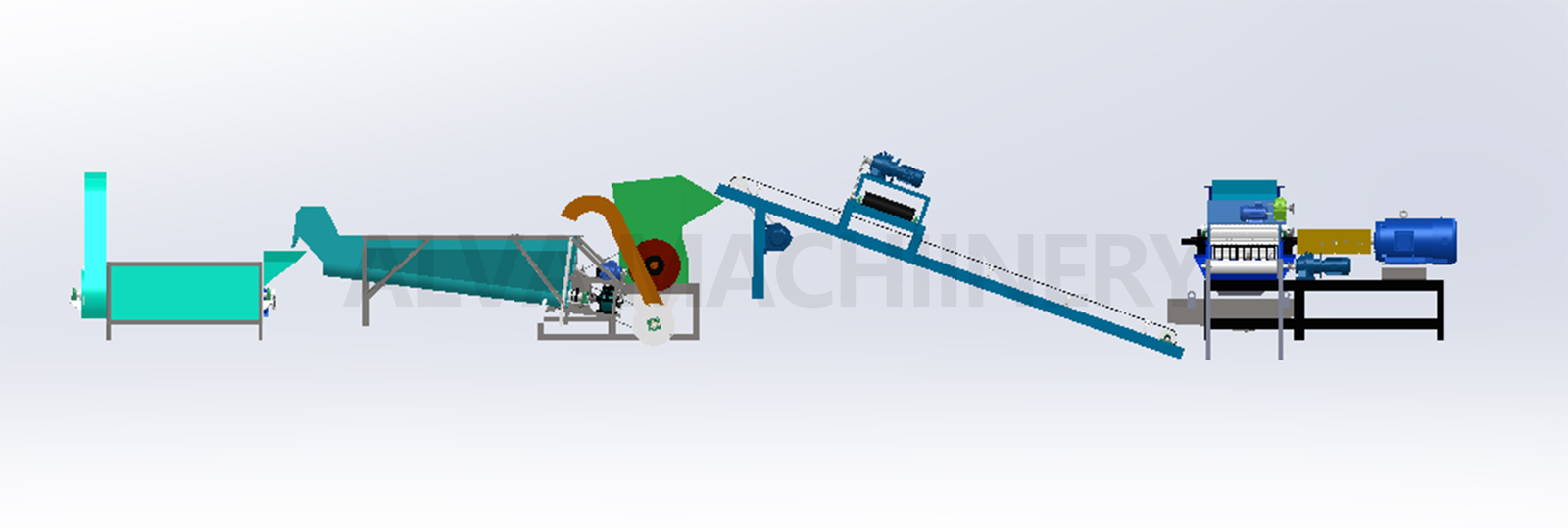
Dust control: part of the PVC crusher is equipped with a dust collection device, which can effectively collect and treat the dust generated in the crushing process to reduce dust pollution to the environment.
02
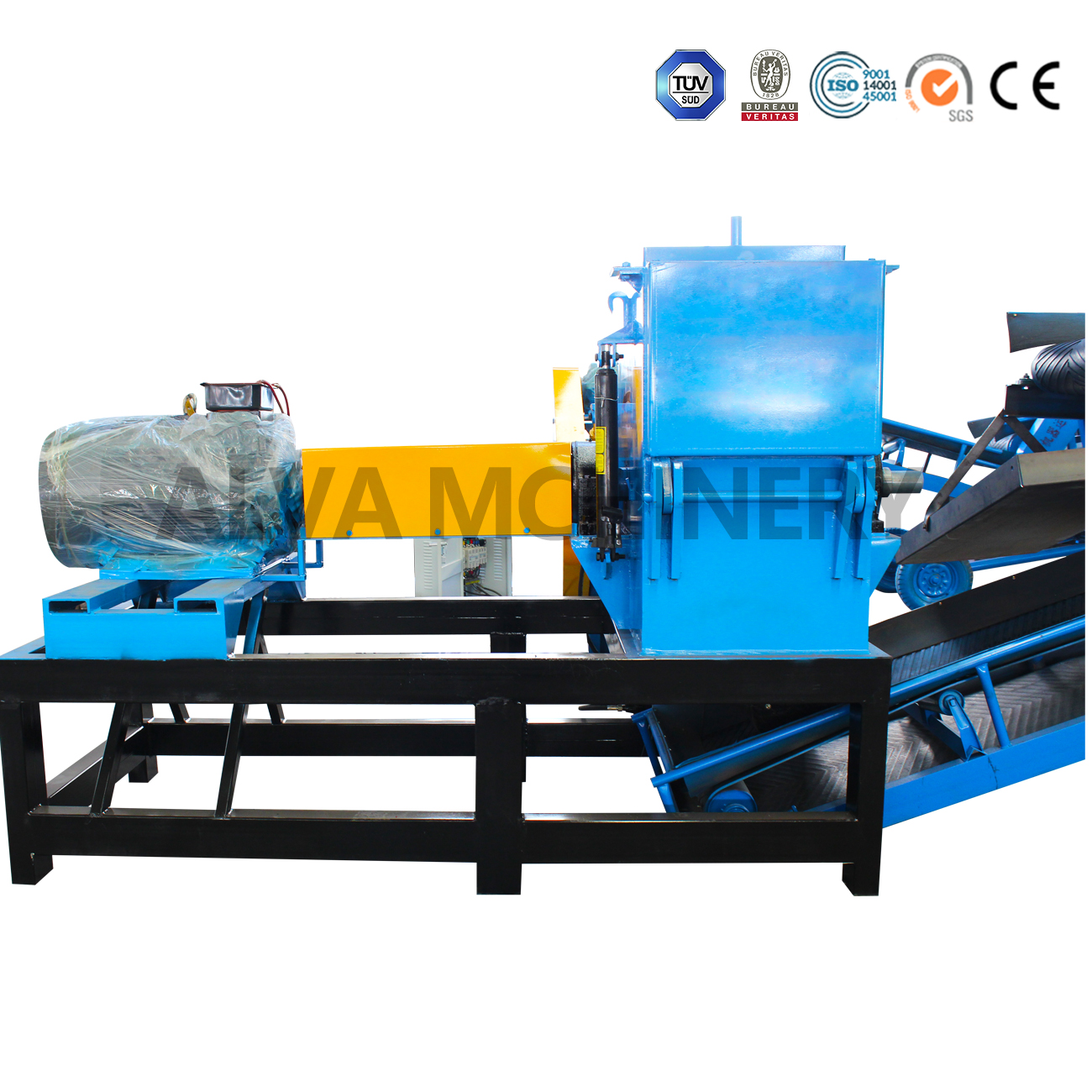
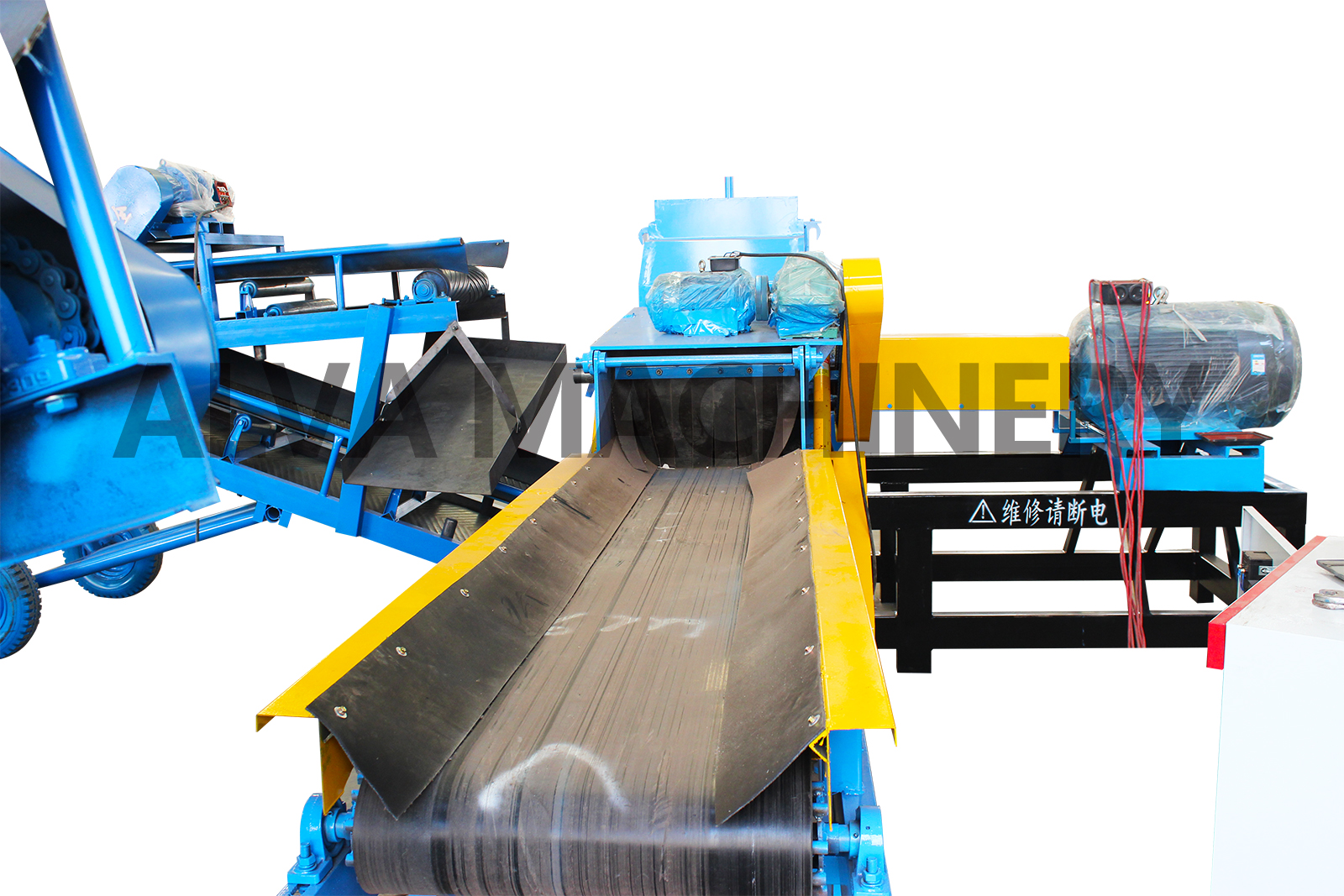
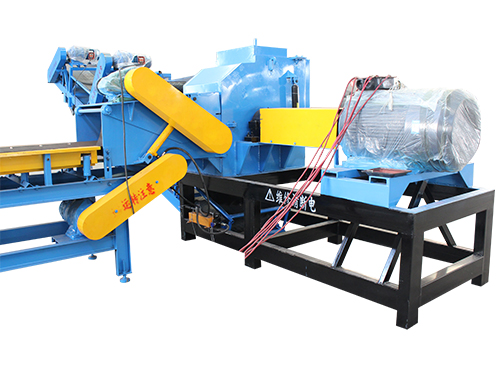
High efficiency motor: The use of high efficiency motor, can reduce energy consumption, can improve the cutting efficiency and work efficiency of the crusher, while reducing energy consumption.
 03
03
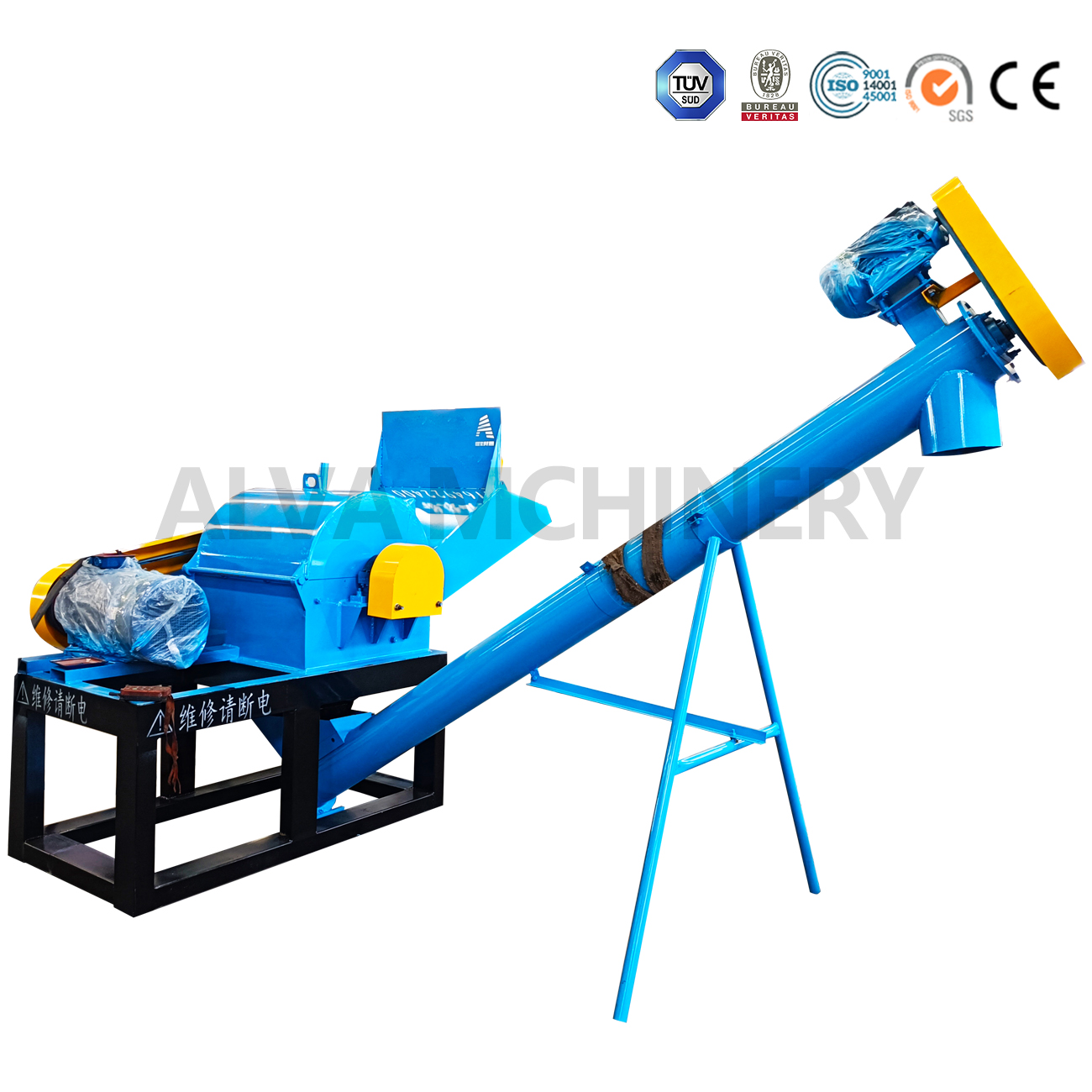
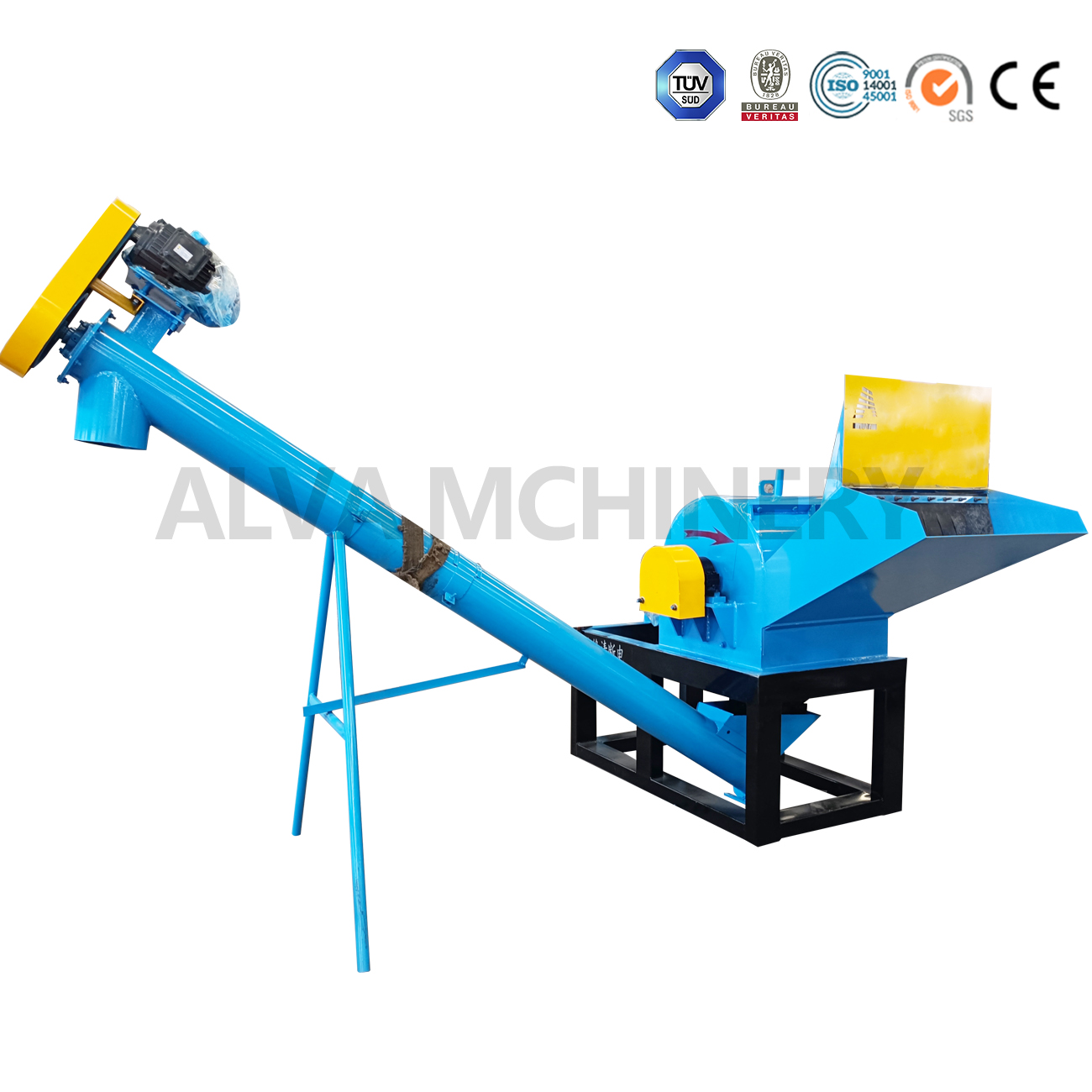
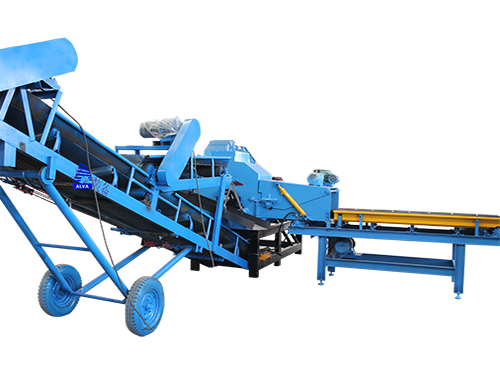
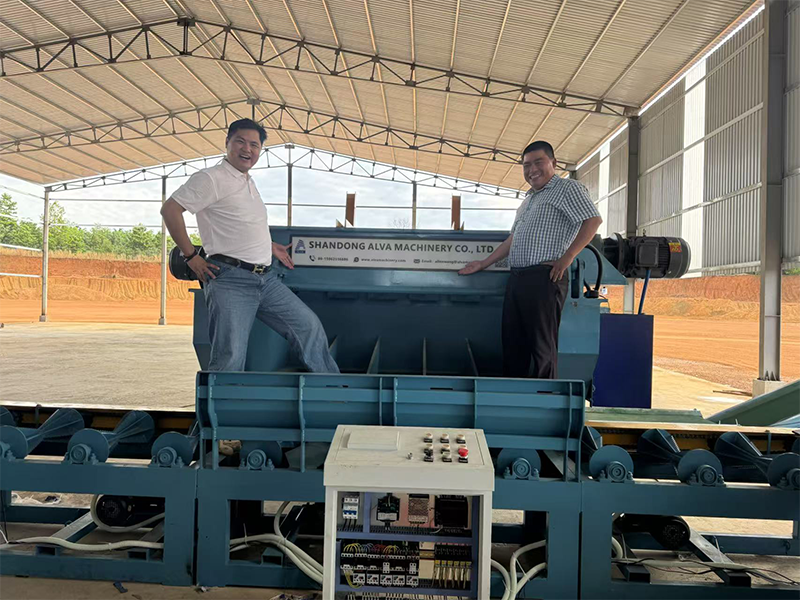
Strong welded steel structure: the use of strong welded steel structure, stable operation, can withstand greater impact and wear, extend the service life of the equipment.
04
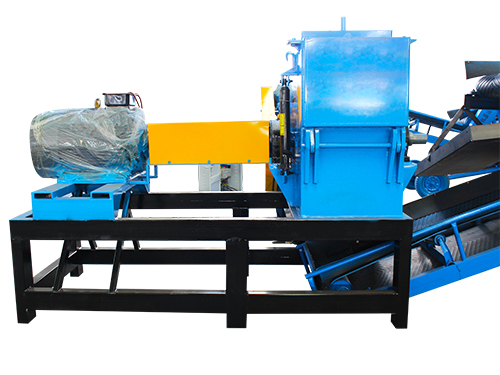
Multiple safety protection: the equipment is equipped with a variety of safety protection devices, such as overload protection, emergency stop button, safety cover, etc., to ensure the personal safety of the operator.
| After-Sales Service Provided | Online Support |
| Core Components | Motor, Rotating Blade, Sieve, Rotor, Fixed Blade |
| Sales Unit | Single Item |
| Power | 40~100KW |
| Working Capacity | 2000KG~6000KG/H |
| Overall Dimensions | 3.0001E+11 |
| Counterweight Diameter | This is likely a mistake or misunderstanding in the original text, as “Counterweight Diameter” doesn’t usually relate to the dimensions or weight capacities listed. If it’s intended to refer to the weight range related to the dimensions, it could be translated as “Weight Range” with the values “3000KG~6000KG”, but this should be clarified based on the actual context. For now, I’ll leave it as “Counterweight Diameter” with a note. |
 |
 |
 |
 |
 |
 |
 |
 |
 |
 |
 |
 |
 |
 |
 |
 |
 |
 |
 |
 |
 |
 |
 |
 |
 |
 |
 |
 |
 |
 |
 |
 |
 |
 |
 |
 |
 |
 |
 |
 |
 |
 |
 |
 |
 |
 |
 |
 |
 |
 |
 |
 |
 |
 |
 |
 |
 |
 |
 |
 |
 |
 |
 |
 |
 |
 |
 |
 |
 |
 |
 |
 |